
Review of banana green life throughout the food chain: From auto-catalytic induction to the optimisation of shipping and storage conditions
Bananas are the fourth most consumed product globally, with approximately 50 billion tons of Cavendish bananas produced each year (FAO, 2018). Since bananas are not grown in Europe, they need to be imported from production sites mainly located in Central and Latin America, as well as West and Central Africa. To ensure optimal ripening, bananas are harvested green and ripened in market areas. Allowing bananas to ripen on the tree can result in splitting and a mealy texture. The period after harvesting, known as the pre-climacteric period or "green life," is crucial for importers and ripeness because bananas are transported before ripening. During this period, mature green fruit have a low basal respiration rate and minimal ethylene production. The length of the pre-climacteric period is influenced by factors such as temperature, relative humidity, and surrounding ethylene concentration. Once the fruit enters the climacteric stage, there is a rapid increase in respiration and ethylene production, marking the onset of ripening in bananas and other climacteric fruits.
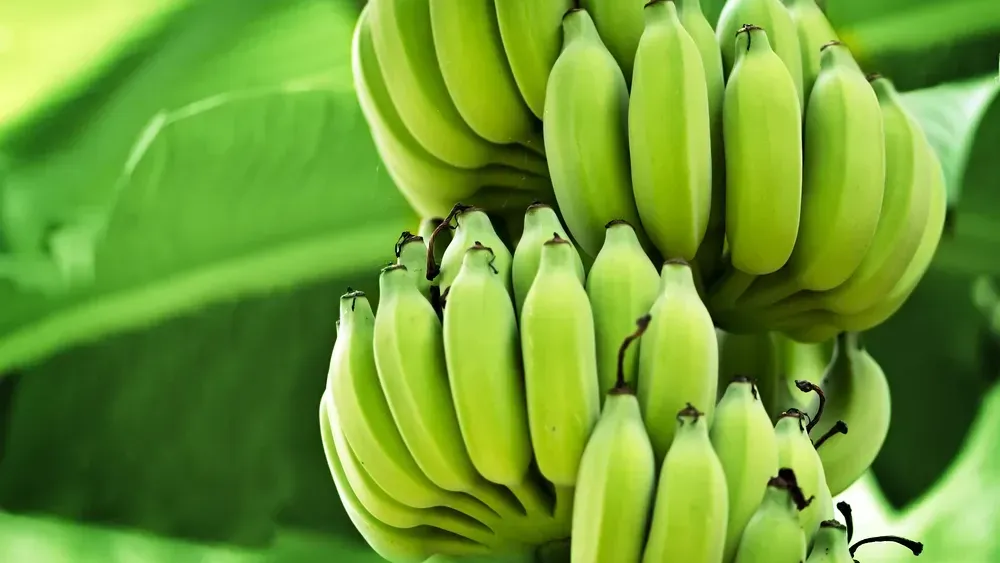
Recent studies have focused on developing coatings with new preservative compounds to create a modified atmosphere that acts as a semipermeable barrier against oxygen and carbon dioxide. Maqbool et al. (2011b) used an edible coating made of 10% gum Arabic and 1% chitosan, resulting in fruits with fewer cracks, smoother surfaces, and extended fruit shelf life for up to 33 days. Coatings containing sucrose esters of fatty acids and the sodium salt of carboxymethylcellulose have been found to modify the internal atmosphere of fruits, delaying the ripening process.
Additionally, using Arabic gum improved with 0.4% cinnamon oil has been effective in controlling Colletotrichum Musae, a common fungus affecting bananas post-harvest, thereby preserving banana shelf life. Basil oil has also been shown to maintain banana quality by preventing fungal attacks during shipping.
Salicylic acid, known to influence ethylene biosynthesis and action, was found to prolong fruit shelf life when fruits were dipped in a solution of 500 μM salicylic acid for 6 hours, acting as an ethylene antagonist.
Furthermore, heat treatments (thermotherapy) have been used for over a century to eliminate pathogens from plant materials. This post-harvest fruit treatment can also modify fruit responses to various stresses and help maintain fruit quality during storage. However, it's important to note that heat treatment above 55°C can degrade the subcellular cuticular wax layer, leading to increased peel browning during ripening.
Keep Reading
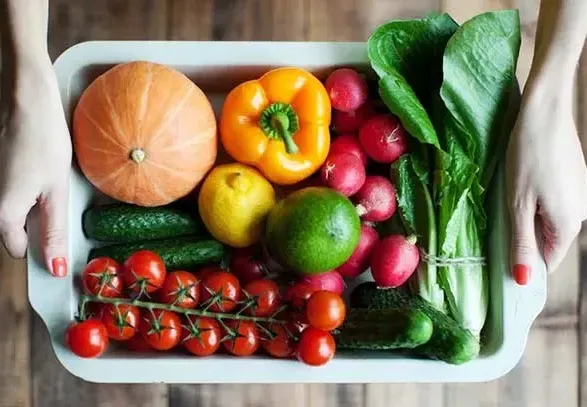
How to Extend Shelf Life of Fruits and Vegetables?
Extending the shelf life of fruits and vegetables is a common goal for many households and businesses looking to reduce food waste and maximize the freshness of their produce. Proper storage techniques, such as controlling temperature and humidity levels, can significantly impact the longevity of fruits and vegetables. In this article, we will talk about the best way to increase the fruits and vegetables shelf life
Read article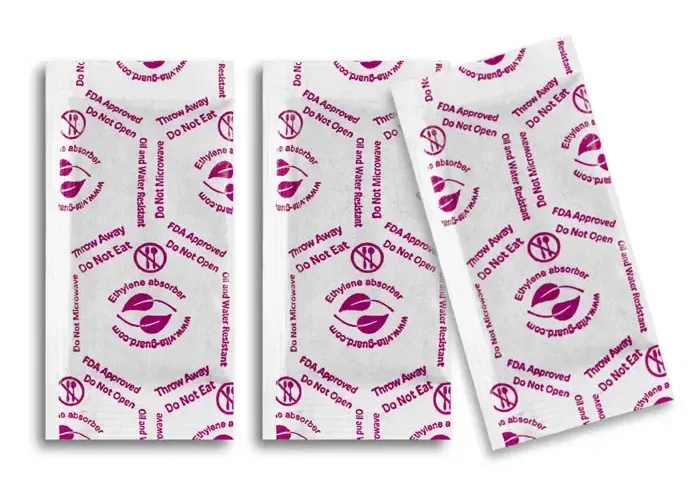
How To Use Ethylene Absorber Packets?
Ethylene absorber packets are crucial in fruit ripening, triggering changes like starch breakdown and flavor development. Ethylene absorbent formulas use substances like potassium permanganate to remove ethylene gas and extend the shelf life of produce. Commonly packed with ethylene absorbers are apples, bananas, tomatoes, avocados, and stone fruits to maintain freshness during storage and transportation.
Read article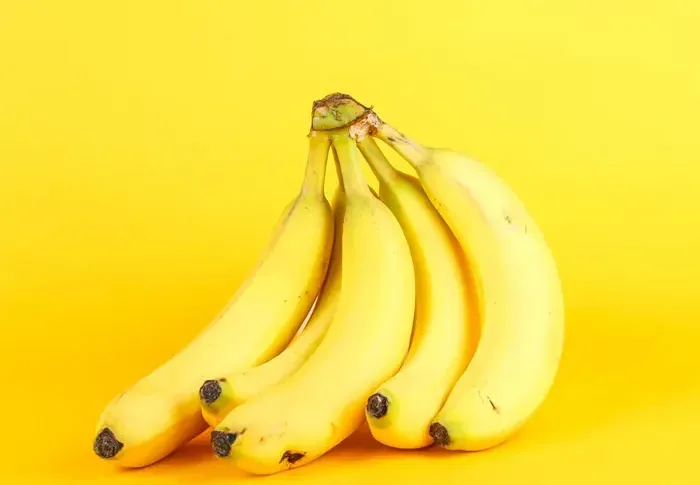
Ethylene Absorber For Banana
Harnessing the power of ethylene absorber for banana to preserve the natural beauty and flavor of bananas. these absorbers are the secret to prolonging the golden perfection of your favorite fruit
Read article

Keep your products fresh for longer
Our global Business Development Team will be glad to help you find the best solution.